
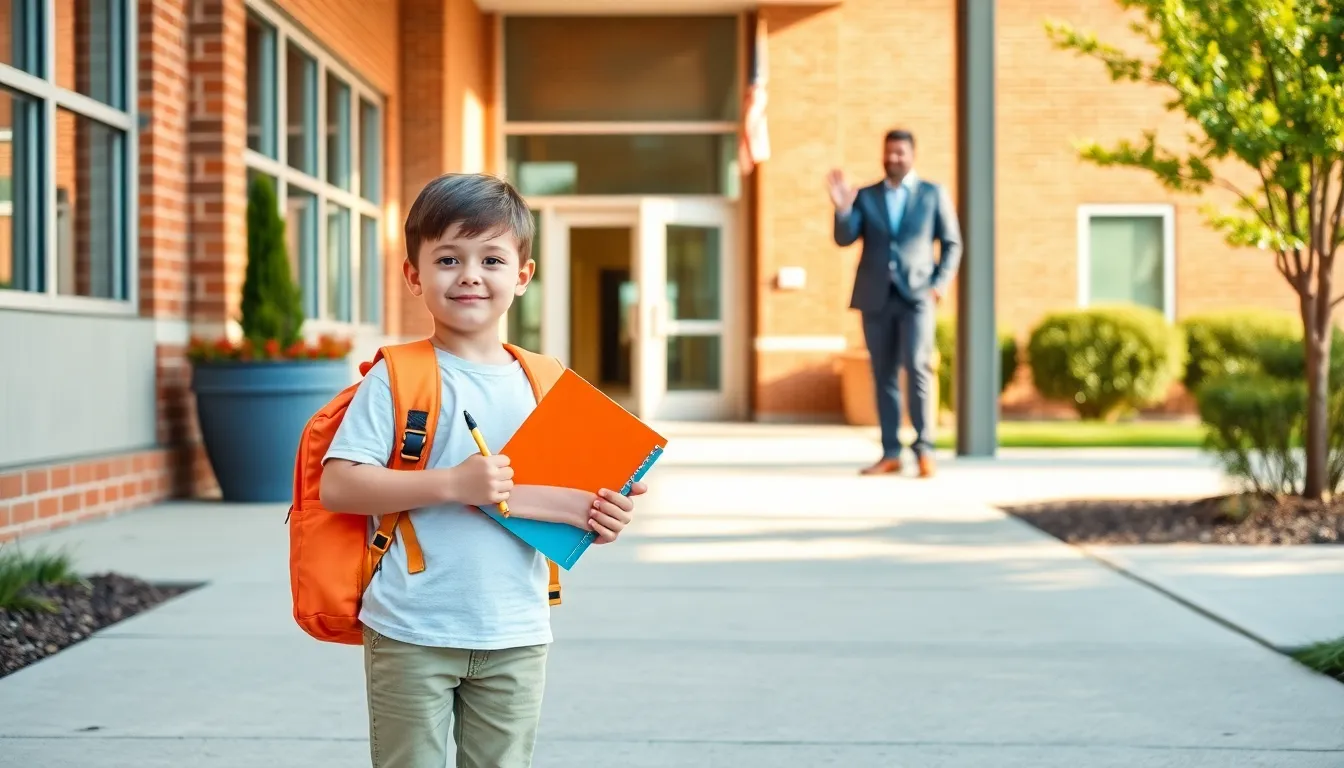
Learning how to prepare your child for elementary school can feel like a big step for any parent. The transition from home or preschool to a structured classroom environment marks a major milestone. Children who enter elementary school with basic skills and emotional readiness tend to adapt faster and enjoy learning more.
This guide covers everything parents need to know about elementary school preparation. From building foundational skills to handling enrollment paperwork, each section offers practical steps. The goal is simple: help children start school feeling confident and ready to learn.
Table of Contents
ToggleKey Takeaways
- Elementary school readiness includes cognitive, physical, and social-emotional skills—not perfection in reading or math.
- Daily activities like reading aloud and counting objects build foundational academic skills without formal lessons.
- Establishing consistent routines at home helps children adapt to the structured environment of elementary school.
- Start the enrollment process early by gathering required documents like birth certificates, immunization records, and proof of residence.
- Support your child’s adjustment by creating positive drop-off routines and asking specific questions about their school day.
- Celebrate small victories to build confidence and keep your child motivated throughout the elementary school transition.
Understanding Elementary School Readiness
Elementary school readiness refers to a child’s ability to handle the demands of formal education. This includes cognitive skills, physical development, and social-emotional maturity. Most children begin elementary school between ages five and six, though readiness varies by individual.
Schools typically expect incoming students to follow simple directions, work independently for short periods, and interact appropriately with peers. A child doesn’t need to read fluently or solve math problems before starting school. But, basic familiarity with letters, numbers, and classroom routines helps smooth the transition.
Parents should observe their child’s behavior in group settings. Can they share toys? Do they handle separation from caregivers without excessive distress? These everyday observations reveal important clues about elementary school readiness. Pediatricians and preschool teachers can also provide valuable assessments.
Readiness isn’t about perfection. It’s about having enough foundation to build on. Children develop at different rates, and most schools are equipped to support various learning levels.
Essential Skills to Develop Before Starting School
Academic Foundations
Before elementary school begins, children benefit from exposure to basic academic concepts. This doesn’t mean formal lessons or drilling flashcards. Simple daily activities lay the groundwork.
Reading aloud to children builds vocabulary and listening comprehension. Point to words as you read to show the connection between spoken and written language. Aim for 15-20 minutes of reading daily.
Counting objects during everyday tasks, like setting the table or sorting laundry, introduces number sense. Recognizing shapes, colors, and patterns also supports early math skills. Writing practice can start with scribbles and progress to letters. Let children hold crayons and pencils to develop fine motor control.
The goal is exposure, not mastery. Children entering elementary school should recognize some letters and numbers. They don’t need to write full sentences or perform addition.
Social and Emotional Skills
Academic skills only tell part of the story. Social and emotional development matters just as much for elementary school success.
Children need to communicate their needs clearly. Phrases like “I need help” or “Can I play?” become essential in classroom settings. Practice these at home through role-playing or natural conversation.
Sharing, taking turns, and handling disappointment are critical skills. Board games, playground visits, and playdates offer opportunities to practice. When conflicts arise, guide children through problem-solving rather than solving problems for them.
Self-regulation, the ability to manage emotions and impulses, affects learning significantly. Deep breathing exercises and naming feelings help children develop this skill. A child who can calm down after frustration will adapt better to elementary school demands.
Creating a Supportive Routine at Home
Consistent routines prepare children for the structure of elementary school. Schools operate on schedules, and children who understand routines adjust more easily.
Start by establishing regular wake-up and bedtime hours. Most elementary school children need 9-12 hours of sleep per night. Begin shifting schedules several weeks before school starts to avoid sudden changes.
Morning routines should include time for breakfast, dressing, and hygiene without rushing. Practice this sequence repeatedly. Children feel more confident when they know what to expect.
Create a designated assignments or learning space at home. Even before formal assignments begins, children can use this area for drawing, puzzles, or reading. This builds the habit of focused work time.
Mealtimes offer another routine opportunity. Sitting at a table, using utensils properly, and cleaning up after eating mirror cafeteria expectations. These small habits reduce stress during the elementary school transition.
Screen time limits also matter. Excessive screen use can affect attention span and sleep quality. The American Academy of Pediatrics recommends no more than one hour of quality programming daily for children ages two to five.
Navigating the Enrollment Process
Elementary school enrollment involves several steps. Starting early prevents last-minute stress.
First, determine which school your child will attend. Public school assignments typically depend on home address. District websites list enrollment periods and required documents. Private and charter schools have separate application processes and deadlines.
Common enrollment documents include:
- Birth certificate or proof of age
- Proof of residence (utility bill, lease agreement)
- Immunization records
- Previous school records (if applicable)
- Parent/guardian identification
Contact your local school district if you’re unsure about requirements. Many districts offer enrollment assistance for families.
Schedule any required health screenings or vaccinations well in advance. Some states require vision, hearing, and dental exams before elementary school entry. Pediatricians can provide these services and complete necessary forms.
Attend school orientations and open houses when offered. These events let children see classrooms, meet teachers, and become familiar with the building. This reduces anxiety on the first day of elementary school.
Helping Your Child Adjust to School Life
The first weeks of elementary school bring adjustment challenges. Parents can ease this period with thoughtful support.
Talk positively about school without creating unrealistic expectations. Phrases like “You’ll make new friends” or “Your teacher will help you learn” set a hopeful tone. Avoid projecting adult anxieties onto children.
Establish a consistent drop-off routine. Long goodbyes often increase distress. A quick hug, a positive statement, and a confident departure work better. Most children settle down shortly after parents leave.
After school, ask specific questions instead of “How was school?” Try “What did you eat for lunch?” or “Who did you play with at recess?” These prompts generate more detailed responses and keep communication open.
Watch for signs of difficulty. Some resistance is normal during adjustment. But, persistent crying, physical complaints, or major behavior changes may signal a problem. Teachers and school counselors can partner with parents to address concerns.
Celebrate small victories. Completing the first week, making a friend, or learning a new skill deserves recognition. Positive reinforcement builds confidence and motivation for elementary school success.


