
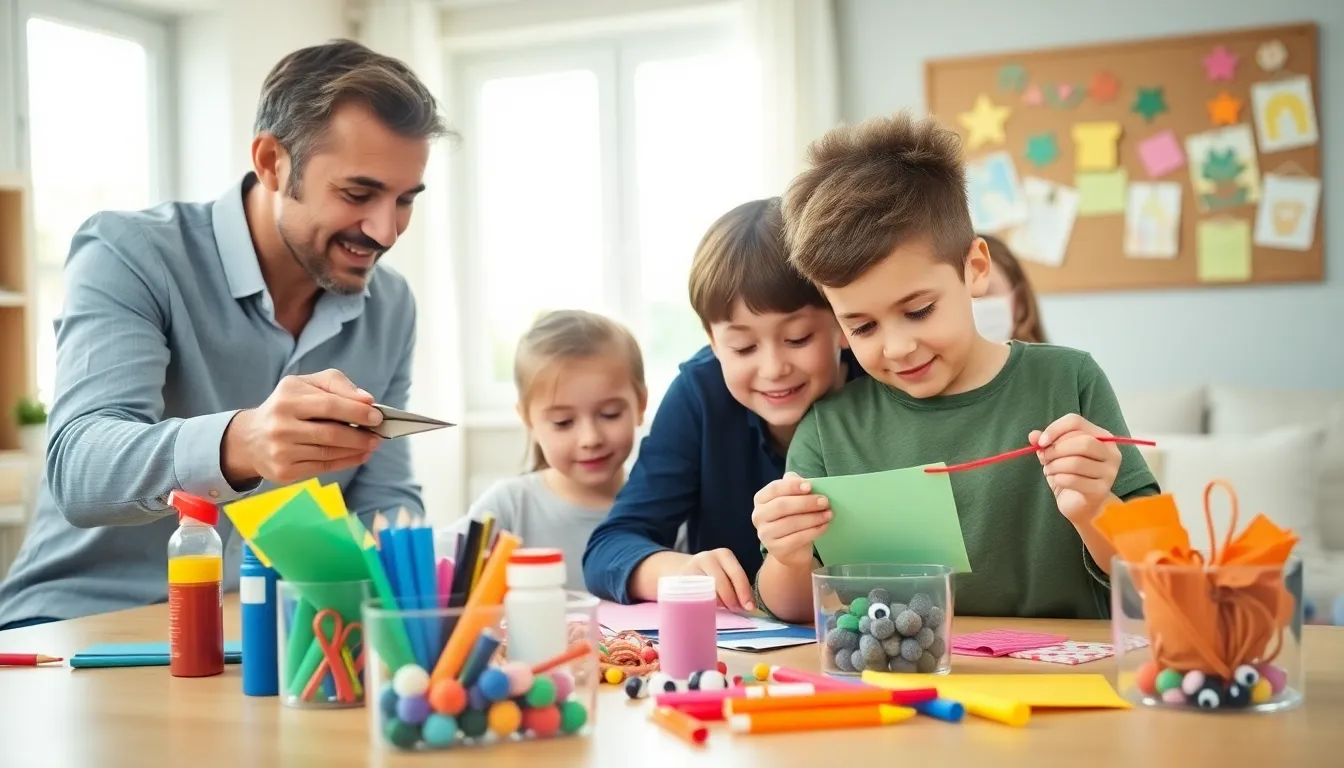
Crafts and DIY for kids offer more than just a fun afternoon activity. They build creativity, improve motor skills, and give children a sense of accomplishment. Parents and caregivers often search for how to crafts & DIY for kids that work with materials already at home. The good news? Getting started is simple. This guide covers the benefits of crafting, essential supplies, age-appropriate projects, and tips to make every session a success. Whether children are toddlers or tweens, there’s a project waiting for them.
Table of Contents
ToggleKey Takeaways
- Crafts and DIY for kids strengthen fine motor skills, boost creativity, and provide a healthy outlet for emotional expression.
- Stock your craft station with basics like paper, child-safe scissors, glue, and decorative items to make starting projects easy.
- Match craft complexity to your child’s age—toddlers thrive with sensory play, while tweens enjoy more advanced projects like jewelry making or tie-dye.
- Prepare your space, cover surfaces, and gather supplies before starting to keep enthusiasm high throughout the session.
- Focus on effort and enjoyment rather than perfection, and celebrate finished work by displaying it proudly.
- Crafting together creates screen-free bonding time and builds lasting memories between parents and children.
Benefits Of Crafting For Children
Crafts and DIY for kids do more than keep little hands busy. They support child development in several key areas.
Fine Motor Skill Development
Cutting, gluing, and drawing strengthen the small muscles in hands and fingers. These skills translate directly to tasks like writing, buttoning shirts, and tying shoes. A child who regularly uses scissors, for example, often shows improved handwriting.
Creativity And Problem-Solving
Crafting encourages children to think creatively. They choose colors, decide on designs, and figure out how pieces fit together. When something doesn’t work, they learn to try a different approach. This builds problem-solving skills that extend far beyond the craft table.
Emotional Expression
Art gives kids a safe outlet for their feelings. A child might not have the words to explain their emotions, but they can express them through colors and shapes. This makes crafts and DIY for kids a valuable tool for emotional development.
Focus And Patience
Completing a project from start to finish requires concentration. Children learn to follow steps, wait for glue to dry, and resist the urge to rush. These lessons in patience serve them well in school and daily life.
Bonding Time
Crafting together creates shared memories. Parents and children working side by side on a project build stronger connections. It’s quality time without screens, something many families crave.
Essential Supplies To Keep On Hand
A well-stocked craft station makes starting projects easy. Here are the basics every household should have:
Paper And Cardstock
Construction paper, white paper, and cardstock form the foundation of countless projects. Stock up on various colors. Save cardboard boxes and toilet paper rolls too, they’re perfect for crafts and DIY for kids.
Cutting And Adhesive Tools
Child-safe scissors are a must. For adhesives, keep white school glue, glue sticks, and tape available. Older kids can use hot glue guns with supervision.
Coloring Supplies
Crayons work for young children. Markers, colored pencils, and washable paints suit older kids. Washable options save cleanup headaches.
Decorative Items
Pom-poms, googly eyes, pipe cleaners, and stickers add personality to projects. These small additions turn simple crafts into treasured creations.
Natural Materials
Leaves, pinecones, sticks, and rocks cost nothing and inspire nature-themed projects. A walk outside doubles as a supply-gathering mission.
Storage Solutions
Clear bins or labeled containers keep supplies organized and accessible. Kids can find what they need without adult help, encouraging independent crafting.
Simple Crafts For Different Age Groups
Matching projects to a child’s abilities prevents frustration and builds confidence. Here’s how to approach crafts and DIY for kids at various stages.
Toddlers (Ages 2-3)
Toddlers thrive with sensory activities. Finger painting, sticker collages, and play dough creations work well. Keep sessions short, 10 to 15 minutes is plenty. Adult supervision is essential since little ones put everything in their mouths. Simple paper plate animals using pre-cut shapes let toddlers focus on gluing and decorating.
Preschoolers (Ages 4-5)
Preschoolers can handle scissors with guidance. They enjoy making paper chains, handprint art, and simple puppets from paper bags. Following two or three-step instructions becomes possible at this age. Crafts and DIY for kids in this group should still prioritize process over perfection.
Early Elementary (Ages 6-8)
Children at this stage can complete more complex projects. They might weave paper, create origami shapes, or build structures from popsicle sticks. They can read simple instructions and work more independently. Friendship bracelets and painted rocks are popular choices.
Tweens (Ages 9-12)
Older kids want projects with impressive results. They can sew simple items, make jewelry, create tie-dye shirts, or build model kits. Many enjoy crafts they can gift or display. Crafts and DIY for kids in this age group often mirror adult hobbies, just simplified.
Tips For A Successful Crafting Session
Even the best project can fail without the right setup. These tips help crafts and DIY for kids go smoothly.
Prepare The Space
Cover tables with newspaper or a plastic cloth. Gather all supplies before starting. Nothing kills enthusiasm faster than stopping mid-project to hunt for scissors.
Dress For Mess
Old clothes or smocks protect favorite outfits. Washable materials help, but paint splatters happen. Accept that some mess comes with the territory.
Give Clear Instructions
Explain each step before the child starts. Demonstrate when possible. But also leave room for creative interpretation, there’s rarely a “wrong” way to craft.
Manage Expectations
A six-year-old’s birdhouse won’t look like the Pinterest photo. That’s okay. Focus on effort and enjoyment rather than outcomes. Praise the process.
Build In Breaks
Younger children especially need breaks. If frustration builds, step away. Return to the project later with fresh energy.
Celebrate The Work
Display finished projects on the fridge, a bulletin board, or a dedicated shelf. Children beam when their work is valued. This encourages them to try more crafts and DIY for kids projects in the future.


