
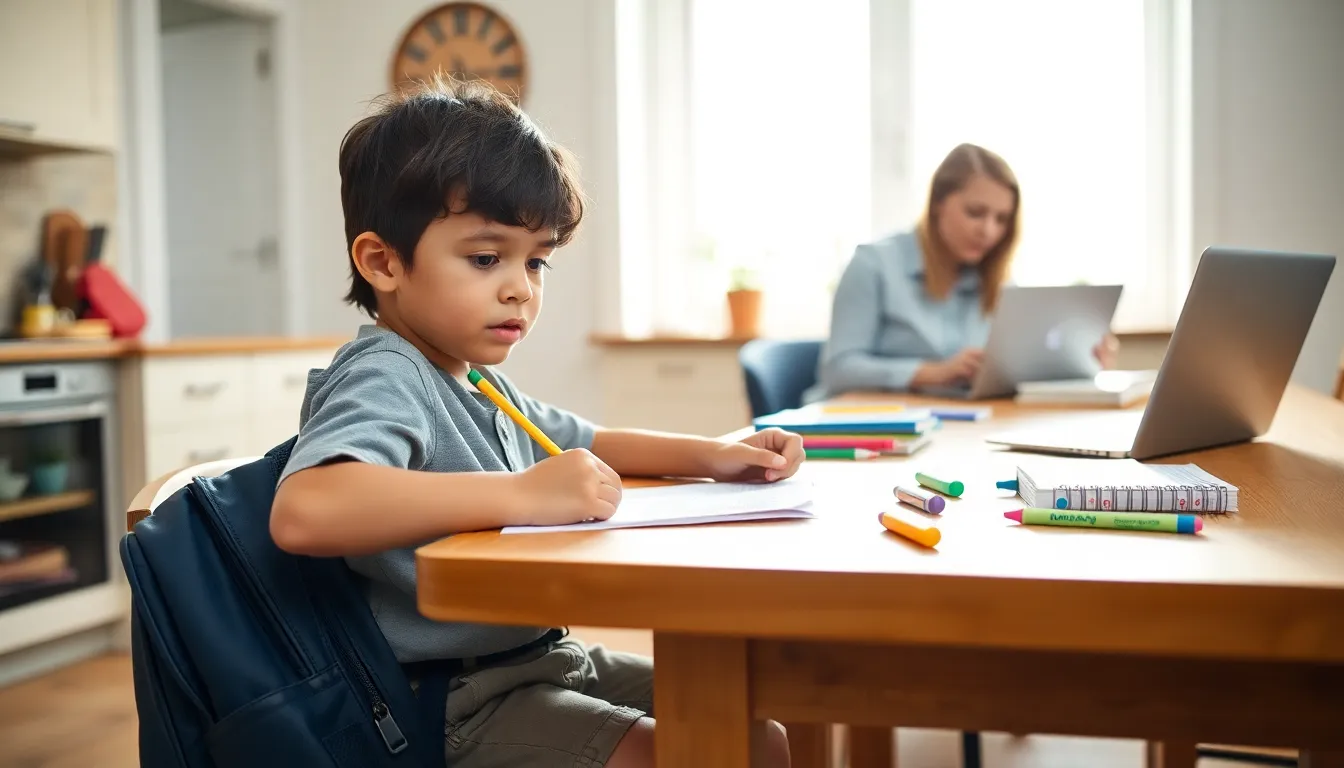
Elementary school tips can make or break a child’s academic journey. These early years shape study habits, social skills, and attitudes toward learning that last a lifetime. Parents and students face real challenges, rushed mornings, assignments battles, and the occasional meltdown over math worksheets. The good news? Small, consistent changes create big results.
This guide covers practical strategies that work. From morning routines to parent-teacher communication, these elementary school tips help families build a foundation for success. No fluff, no unrealistic expectations, just actionable advice backed by what actually helps kids thrive in elementary school.
Table of Contents
ToggleKey Takeaways
- Prepare the night before by laying out clothes and packing backpacks to create calmer, more focused mornings.
- Designate a consistent homework spot and time to build strong study habits that reduce daily battles over assignments.
- Teach children emotional vocabulary and role-play social situations to strengthen their social and emotional development.
- Communicate with teachers early and often—don’t wait for problems to reach out and build a collaborative relationship.
- Connect school lessons to real life and follow your child’s interests to foster a genuine love of learning at home.
- These elementary school tips focus on small, consistent changes that create lasting academic and social success.
Building Strong Morning Routines
Morning routines set the tone for the entire school day. A chaotic start often leads to a stressed, unfocused student. Strong morning routines reduce anxiety and help children arrive at school ready to learn.
Start the night before. Lay out clothes, pack backpacks, and prepare lunches in the evening. This simple elementary school tip eliminates last-minute scrambling and gives families extra breathing room.
Wake up at the same time daily. Consistent wake times regulate a child’s internal clock. Kids who follow predictable schedules sleep better and feel more alert during class. Aim for the same wake time on weekends too, yes, even Saturdays.
Build in buffer time. Things go wrong. Shoes disappear. Cereal spills. Adding 10-15 extra minutes to the routine prevents small delays from becoming major stress.
Create a visual checklist. Young children benefit from picture-based checklists showing each morning task: brush teeth, eat breakfast, grab backpack. This builds independence and reduces nagging. Kids feel proud when they complete each step on their own.
Limit screen time in the morning. Tablets and TV slow everything down. Save screens for after school when possible. Morning energy should go toward getting ready, not watching cartoons.
Encouraging Homework and Study Habits
Assignments battles frustrate parents and students alike. The key lies in creating structure without constant supervision. Good study habits developed in elementary school carry through high school and beyond.
Designate a assignments spot. A consistent, quiet location signals to the brain that it’s time to focus. The kitchen table works fine, it doesn’t need to be a fancy desk. Just keep the area clear of distractions and stocked with pencils, erasers, and paper.
Set a regular assignments time. Some kids work best right after school. Others need a snack and play break first. Find what works for your child and stick with it. Predictability reduces resistance to sitting down and starting.
Break assignments into chunks. Elementary students have short attention spans. A 30-minute assignment feels overwhelming. Breaking it into three 10-minute segments with short breaks keeps motivation high. This elementary school tip works especially well for kids who struggle with focus.
Stay nearby, but don’t hover. Children need to know help is available, but they also need space to problem-solve independently. Sit in the same room and work on your own tasks. Answer questions when asked, but resist the urge to take over.
Celebrate effort, not just grades. Praise persistence and hard work. A child who struggles through a tough math problem deserves recognition, regardless of whether every answer is correct. This mindset builds resilience and a willingness to tackle difficult subjects.
Supporting Social and Emotional Development
Academic success means little without strong social and emotional skills. Elementary school is where children learn to make friends, handle conflict, and regulate their emotions.
Teach emotional vocabulary. Kids can’t express feelings they can’t name. Help children identify emotions beyond “happy,” “sad,” and “mad.” Words like “frustrated,” “disappointed,” “nervous,” and “excited” give them tools to communicate their inner experiences.
Role-play social situations. Practice what to say when someone is mean, how to join a game at recess, or how to apologize after a mistake. These scenarios feel awkward to rehearse, but they build confidence for real-world interactions.
Validate their feelings. When a child comes home upset, resist the urge to immediately fix the problem or dismiss their emotions. “That sounds really hard” goes a long way. Feeling heard helps kids process difficult experiences.
Encourage friendships outside school. Playdates and extracurricular activities expand social circles. Children learn that friendship skills transfer across settings. This elementary school tip also provides backup social connections if classroom dynamics become tricky.
Model healthy conflict resolution. Kids watch how adults handle disagreements. When parents resolve conflicts calmly and respectfully, children absorb those patterns. They learn that anger is manageable and problems have solutions.
Communicating With Teachers Effectively
Teachers are partners in a child’s education. Strong parent-teacher communication catches problems early and reinforces learning at home.
Introduce yourself early. Don’t wait for issues to arise. Send a brief email at the start of the school year. Share relevant information about your child and express your willingness to collaborate. Teachers appreciate proactive parents.
Read all communication from school. Newsletters, emails, and notes in backpacks contain important information. Set a daily habit of checking for papers and reading them immediately. This simple elementary school tip prevents missed deadlines and surprise events.
Attend parent-teacher conferences. These meetings offer valuable insights into academic progress and classroom behavior. Prepare questions in advance. Ask what you can do at home to support current learning goals.
Address concerns promptly and respectfully. If something worries you, reach out sooner rather than later. Frame concerns as questions, not accusations. “I noticed my child seems anxious about math. Can you help me understand what’s happening?” opens dialogue better than criticism.
Follow up on agreed actions. When teachers suggest strategies or interventions, carry out them at home and report back. This shows commitment and keeps everyone aligned on supporting the child.
Fostering a Love of Learning at Home
School teaches curriculum. Home can spark genuine curiosity. Children who love learning become self-motivated students.
Read together daily. Even after children can read independently, shared reading time matters. Take turns reading aloud. Discuss characters and predict what happens next. This builds comprehension skills and makes reading a bonding activity.
Connect lessons to real life. Fractions make sense when cutting pizza. History comes alive during museum visits. Science happens in the backyard. Look for opportunities to show that school subjects apply beyond the classroom.
Follow their interests. If a child obsesses over dinosaurs, get books about dinosaurs. If they love building, provide construction materials. Passion-driven learning teaches kids that curiosity is rewarding. This elementary school tip works because children engage deeply with topics they choose.
Ask open-ended questions. Instead of “How was school?” (which usually gets “fine”), try “What made you laugh today?” or “What was the hardest part of your day?” Better questions lead to better conversations and show genuine interest.
Limit over-scheduling. Kids need downtime to explore, imagine, and play. Boredom actually sparks creativity. A packed schedule of activities leaves no room for self-directed learning. Balance structured activities with unstructured time.


