
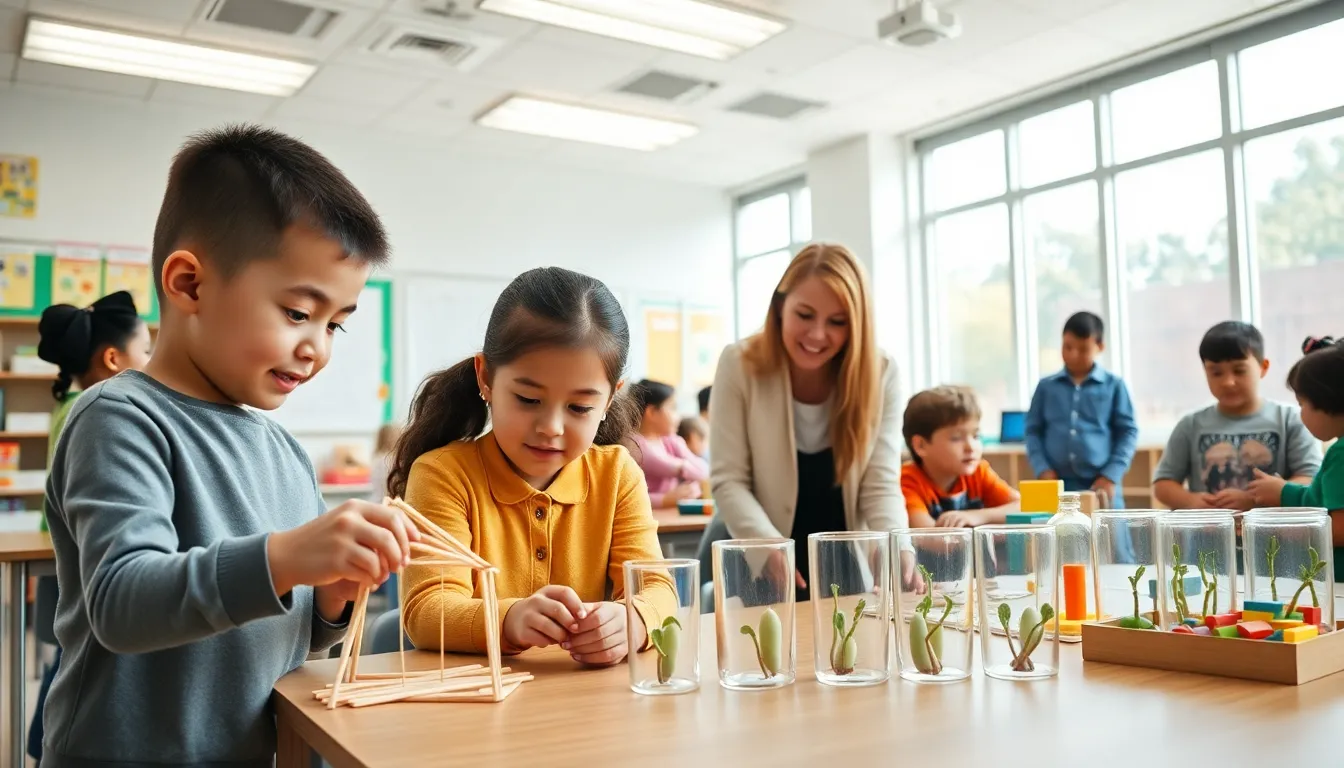
Elementary school ideas shape how children think, learn, and grow. The right activities turn classrooms into spaces where curiosity thrives. Teachers and parents often search for fresh ways to engage young minds. This article shares practical elementary school ideas that work. From hands-on projects to interactive games, these strategies help students build skills while having fun. Each idea focuses on active learning and real-world connections. Whether you teach first grade or fifth, these approaches spark excitement and deepen understanding.
Table of Contents
ToggleKey Takeaways
- Hands-on elementary school ideas like science experiments and math manipulatives help students learn by engaging multiple senses.
- Projects that offer student choice—such as reading dioramas or research mini-projects—increase motivation and deepen comprehension.
- Interactive games and movement activities turn practice into play, creating positive associations with learning.
- Simple STEM challenges using everyday materials like popsicle sticks and free coding programs prepare students for future success.
- Varying activities every 15-20 minutes and building predictable routines keeps young minds focused and engaged.
- Connecting lessons to students’ individual interests makes elementary school ideas more effective and memorable.
Hands-On Learning Activities for the Classroom
Hands-on learning keeps students focused and curious. Children learn best when they touch, build, and create. These elementary school ideas bring lessons to life.
Science Experiments
Simple experiments teach big concepts. Students can grow beans in clear cups to observe root systems. They can build volcanoes with baking soda and vinegar. These activities make abstract ideas concrete.
Math Manipulatives
Blocks, counters, and fraction tiles help students visualize numbers. A child who struggles with division on paper often grasps it quickly with physical objects. Teachers can use everyday items like coins or dried pasta for counting exercises.
Art Integration
Art connects to every subject. Students can create maps for geography lessons. They can build models of historical landmarks. Drawing diagrams helps visual learners understand science concepts.
Sensory Stations
Younger students benefit from sensory bins filled with rice, sand, or water beads. These stations can teach sorting, measuring, and letter recognition. The tactile experience holds attention longer than worksheets.
Hands-on elementary school ideas work because they engage multiple senses. Students remember what they do far better than what they hear.
Fun Projects That Build Core Skills
Projects give students ownership of their learning. They apply skills to real tasks. These elementary school ideas combine creativity with academic growth.
Reading Response Projects
Instead of book reports, students can create dioramas of their favorite scenes. They can design new book covers or write letters to characters. These projects deepen comprehension while allowing creative expression.
Writing Journals
Daily journals build writing fluency. Students can respond to prompts or write freely about their day. Over time, they develop voice and confidence. Teachers see clear progress from September to June.
Community Projects
Service learning teaches responsibility. Classes can collect food for local pantries. They can write thank-you cards for community helpers. Students learn that their actions matter.
Research Mini-Projects
Even young students can research topics that interest them. A child fascinated by dinosaurs can present three facts to the class. This builds research skills early. It also celebrates individual interests.
Projects work best when students choose some elements themselves. Choice increases motivation. Elementary school ideas that offer options see higher engagement.
Interactive Games and Group Activities
Games transform practice into play. Students don’t realize they’re learning when they’re laughing. These elementary school ideas use competition and cooperation to reinforce skills.
Math Games
Card games teach addition and multiplication. Students can play “war” with number cards, adding or multiplying to determine the winner. Dice games work well for probability lessons. Board games like Monopoly Junior introduce money concepts.
Vocabulary Challenges
Word bingo makes review sessions exciting. Scrabble Junior builds spelling skills. Students can play charades with vocabulary words to connect meanings to actions.
Team-Based Learning
Group projects teach collaboration. Jigsaw activities divide topics among team members. Each student becomes an expert and teaches others. This approach builds communication skills and content knowledge together.
Movement Games
Four Corners works for any subject. Students answer questions by moving to labeled corners. Simon Says can review body parts or action verbs. Movement breaks help students refocus.
Relay Races
Academic relays combine physical activity with learning. Teams race to solve math problems or spell words correctly. The excitement motivates even reluctant learners.
Interactive elementary school ideas create positive associations with learning. Students who enjoy school tend to perform better.
Simple STEM Ideas for Elementary Students
STEM education prepares students for the future. These elementary school ideas introduce science, technology, engineering, and math in accessible ways.
Building Challenges
Students can build bridges from popsicle sticks or towers from straws. They test which designs hold the most weight. This teaches engineering principles through trial and error.
Coding Basics
Free programs like Scratch and Code.org introduce coding concepts. Students create simple animations and games. They learn sequencing and problem-solving without needing advanced technology.
Nature Observations
Science starts with observation. Students can track weather patterns over a month. They can observe plants growing or insects in the schoolyard. Recording data teaches scientific thinking.
Simple Machines
Students can build levers, pulleys, and ramps from classroom materials. They discover how these tools make work easier. Connecting lessons to playground equipment makes concepts relevant.
Math in Real Life
Cooking projects teach fractions and measurement. Budgeting activities introduce decimals. Students see that math exists outside textbooks.
STEM elementary school ideas don’t require expensive equipment. Curiosity and creativity matter more than fancy supplies.
Tips for Keeping Young Minds Engaged
Even great elementary school ideas fail without strong classroom management. These strategies help teachers maintain engagement throughout the day.
Vary Activities
Young children have short attention spans. Teachers should switch activities every 15-20 minutes. Alternating between listening, moving, and creating keeps energy high.
Use Timers
Visible timers help students manage transitions. Knowing they have five minutes left to complete a task builds time awareness. It also reduces resistance to moving on.
Offer Choices
Choice empowers students. Teachers can offer two or three options for assignments. Students who choose their path invest more effort in the outcome.
Connect to Interests
Learning about dinosaurs? Let students who love art draw them. Let others research facts or build models. Elementary school ideas work better when they meet students where they are.
Celebrate Progress
Recognition motivates young learners. Sticker charts, class celebrations, and positive notes home reinforce effort. Students thrive when they feel seen.
Create Routines
Predictable routines reduce anxiety. Students know what to expect. This frees mental energy for learning instead of wondering what comes next.
Engagement strategies support all elementary school ideas. The best activities need structure to succeed.


