
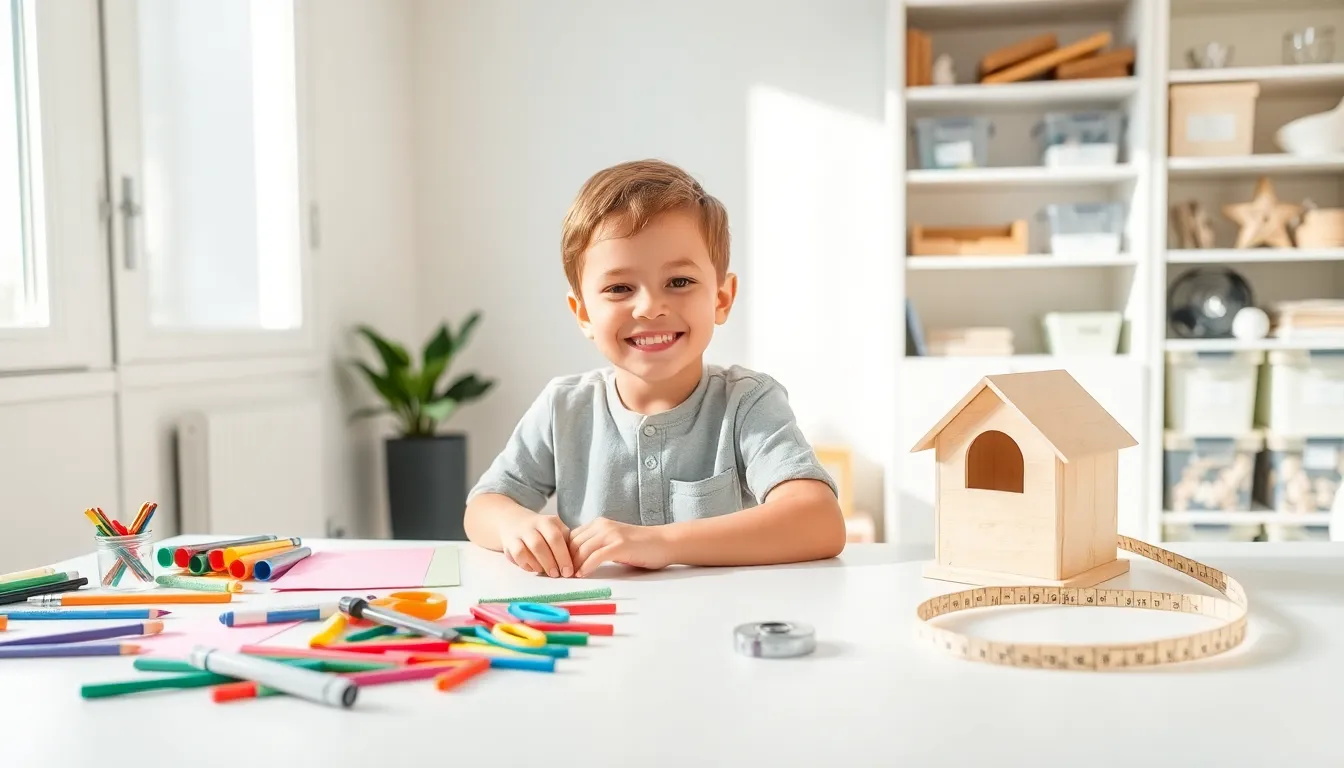
Crafts and DIY for kids offer two distinct paths to creativity, and knowing the difference helps parents pick the right activity. Some children thrive with simple, guided projects. Others want to build, fix, or invent something from scratch. The good news? Both approaches develop fine motor skills, boost confidence, and keep kids engaged without screens. This guide breaks down crafts vs. DIY projects by age, interest, and skill level, so you can find what actually works for your child.
Table of Contents
ToggleKey Takeaways
- Crafts for kids focus on artistic expression and open-ended creativity, while DIY projects are goal-oriented and produce functional items.
- Match crafts and DIY for kids to your child’s personality—artistic kids thrive with open-ended projects, while builders prefer structured DIY activities.
- Age matters: toddlers do best with simple, mess-friendly crafts, while kids ages 7-12 can handle multi-step DIY projects with basic tools.
- Both crafts and DIY activities develop fine motor skills, boost confidence, and provide screen-free engagement for children.
- Start with quality basic supplies rather than cheap kits, and organize materials in labeled bins to encourage spontaneous creativity.
- Tie DIY projects to your child’s interests—like building a birdhouse for animal lovers—to keep motivation high.
Understanding the Difference Between Crafts and DIY Projects
Crafts and DIY projects often get lumped together, but they serve different purposes. Crafts for kids typically focus on artistic expression. Think painting, collaging, making friendship bracelets, or decorating picture frames. The emphasis sits on the creative process itself, colors, textures, and imagination.
DIY projects for kids lean more toward building or making something functional. A birdhouse, a homemade slime recipe, or a simple electronic circuit falls into this category. DIY activities often follow instructions and result in a usable item.
Here’s the key distinction:
- Crafts = Art-focused, open-ended, process-driven
- DIY = Goal-focused, instruction-based, product-driven
Neither approach is better than the other. Some kids love the freedom of crafts. Others prefer the satisfaction of completing a DIY project with clear steps. Many children enjoy both, depending on their mood or the day.
Understanding this difference helps parents match activities to their child’s personality. A kid who gets frustrated with vague directions might thrive with structured DIY kits. A child who hates being told what to do might prefer open-ended crafts.
Age-Appropriate Crafts for Young Children
Crafts for kids ages 2-6 should be simple, safe, and mess-friendly. Young children have limited fine motor control and short attention spans. The best crafts at this age take 10-20 minutes and use non-toxic materials.
Great crafts for toddlers (ages 2-3):
- Finger painting on large paper
- Sticker collages
- Play dough sculpting
- Paper plate animals (with pre-cut shapes)
Crafts for preschoolers (ages 4-6):
- Pipe cleaner creations
- Simple origami (paper airplanes, fortune tellers)
- Bead stringing for necklaces
- Nature collages with leaves and flowers
- Painting rocks or small canvases
At this stage, crafts for kids work best when parents accept imperfection. A lopsided butterfly is still a success. The point is exploration, not a Pinterest-worthy result.
Safety matters most with young children. Avoid small pieces that pose choking hazards. Skip anything with sharp edges. Washable markers and paints save everyone frustration during cleanup.
One practical tip: Set up a dedicated craft space with a plastic tablecloth or old newspaper. Kids create more freely when they’re not worried about making a mess.
DIY Projects for Older Kids and Tweens
DIY for kids really takes off around ages 7-12. At this stage, children can follow multi-step instructions, use basic tools safely, and work on projects that span multiple sessions.
Beginner DIY projects (ages 7-9):
- Building simple wooden birdhouses from kits
- Making homemade bath bombs or soap
- Creating a terrarium in a jar
- Constructing marble runs from cardboard tubes
Intermediate DIY projects (ages 10-12):
- Basic woodworking with supervision (shelves, small boxes)
- Sewing simple items like pillows or tote bags
- Building circuits with electronics kits
- Designing and constructing cardboard arcade games
DIY projects for kids at this age build problem-solving skills. When something doesn’t work, they learn to troubleshoot. When they finish, they feel genuine pride in creating something real.
Many tweens enjoy DIY projects that connect to their interests. A kid who loves animals might build a hamster obstacle course. A music fan could construct a simple instrument. Tying projects to passions keeps motivation high.
Parent involvement shifts at this age too. Instead of doing the work together, adults can supervise from nearby. This gives kids ownership while keeping them safe with tools or hot glue guns.
Choosing the Right Activity Based on Your Child’s Interests
The best crafts and DIY for kids match their individual personalities. Here’s how to identify what might click:
For the artistic child: Open-ended crafts work well. Provide quality art supplies, good colored pencils, watercolors, mixed-media materials, and let them create freely. Craft kits with rigid instructions often frustrate these kids.
For the builder: DIY projects with clear goals satisfy their need to construct. LEGO sets, model kits, and woodworking projects keep them engaged. They want to see tangible results.
For the scientist: Science-based DIY activities hit the sweet spot. Volcano experiments, crystal growing kits, and simple robotics combine hands-on work with learning.
For the social child: Group crafts or DIY projects work best. Friendship bracelet making, collaborative art projects, or building something with siblings keeps them happy.
For the perfectionist: Structured craft kits with clear expectations reduce anxiety. Diamond painting, paint-by-numbers, and step-by-step origami provide creative outlets without the stress of blank-page syndrome.
Don’t be afraid to experiment. A child might surprise you. The kid who seems uninterested in crafts might love DIY electronics. The builder might discover hidden artistic talent through mixed-media projects.
Essential Supplies to Get Started
Starting crafts and DIY for kids doesn’t require expensive equipment. A basic supply kit covers most projects:
Core craft supplies:
- Construction paper and cardstock
- Safety scissors (and adult scissors for cutting)
- Glue sticks and white school glue
- Washable markers, crayons, and colored pencils
- Watercolor paints and brushes
- Pipe cleaners and popsicle sticks
Basic DIY supplies:
- Hot glue gun (adult-supervised)
- Wood glue
- Craft knife (adult use only)
- Sandpaper in various grits
- Basic hand tools (hammer, screwdriver, pliers)
- Measuring tape and ruler
Storage tips:
Keep supplies organized in clear plastic bins. Label containers so kids can find materials independently. This encourages spontaneous creativity, they can grab what they need without asking.
Buy quality basics rather than cheap kits with limited supplies. A good pair of scissors lasts years. Decent paints produce better results than watery discount versions.
For DIY projects, starter kits from craft stores offer good value. They include pre-cut materials and instructions, removing barriers for beginners. Once kids gain confidence, move toward raw materials and original designs.


