
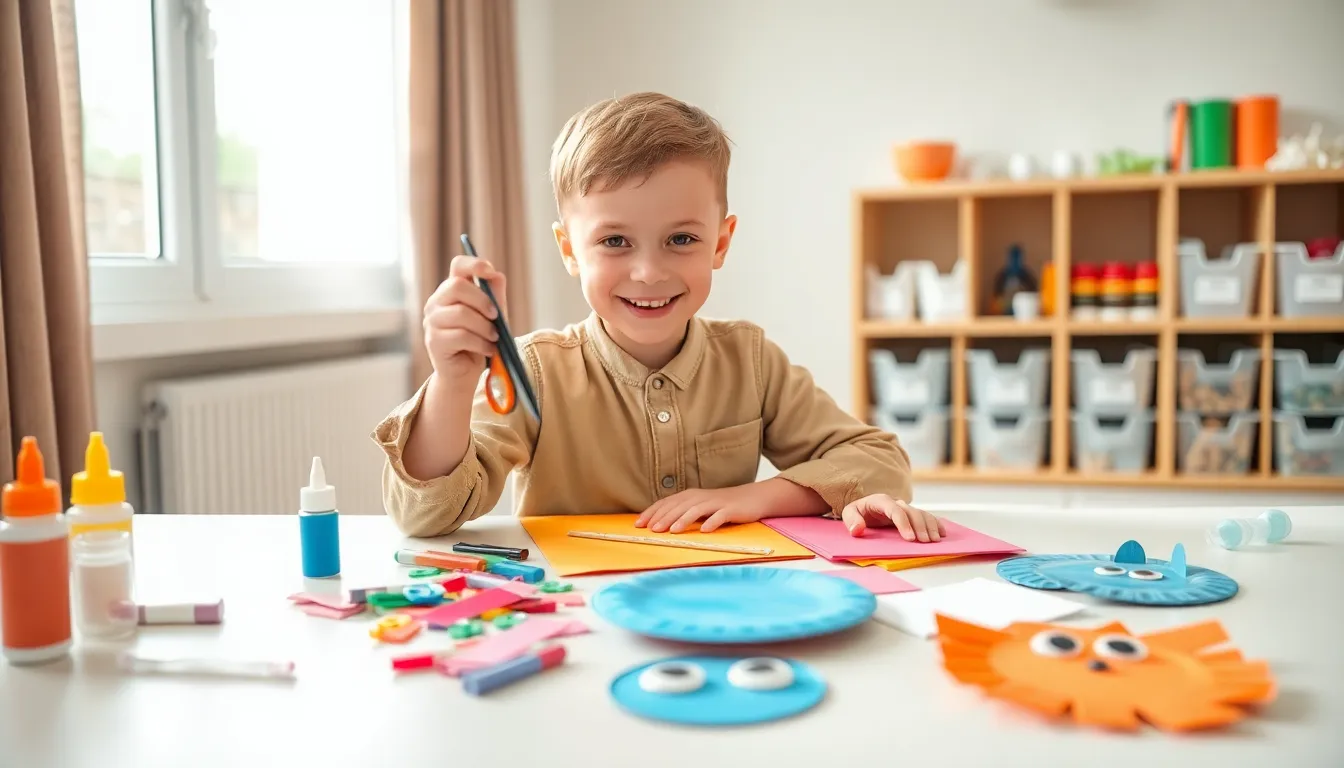
Crafts and DIY for kids offer more than just a fun afternoon activity. They build essential skills, boost confidence, and give children a creative outlet that screens simply can’t replicate. Whether a child is three or ten, working with scissors, glue, and paint helps them explore ideas and express themselves in tangible ways.
Parents and caregivers often search for projects that keep kids engaged without requiring expensive supplies or hours of prep. The good news? Some of the best crafts use items already sitting in the recycling bin or junk drawer. This guide covers the benefits of hands-on creativity, age-appropriate project ideas, and practical tips to make crafting enjoyable for everyone involved.
Table of Contents
ToggleKey Takeaways
- Crafts and DIY for kids build fine motor skills, cognitive abilities, and emotional confidence through hands-on creative activities.
- The best craft projects use everyday items like paper plates, cardboard boxes, and recycled materials—no expensive supplies needed.
- Match projects to your child’s age and skill level: toddlers thrive with quick, simple crafts while elementary-age kids can handle multi-step projects.
- Prepare your crafting space in advance and keep supplies organized to encourage spontaneous creativity.
- Focus on the creative process rather than perfection—children learn more from their own attempts than from a flawless result.
- Display finished projects and celebrate effort to motivate kids to keep exploring crafts and DIY activities.
Benefits of Arts and Crafts for Children
Arts and crafts for kids deliver benefits that extend far beyond the finished product. Here’s what children gain from regular creative activities:
Fine Motor Skill Development
Cutting, gluing, threading beads, and holding paintbrushes all strengthen the small muscles in a child’s hands. These fine motor skills translate directly to everyday tasks like writing, buttoning shirts, and tying shoelaces. For toddlers especially, crafts and DIY for kids provide crucial practice in hand-eye coordination.
Cognitive Growth and Problem-Solving
Crafting requires kids to plan, make decisions, and adjust when things don’t go as expected. A child building a cardboard castle must figure out how to attach the towers. One making a friendship bracelet needs to remember patterns. This kind of thinking builds neural pathways that support learning in school and beyond.
Emotional Expression and Confidence
Art gives children a safe space to process feelings they might not have words for yet. Completing a project, even a simple one, also provides a sense of accomplishment. Kids learn that their ideas matter and that effort leads to results.
Social Skills and Bonding
Crafting with siblings, friends, or parents encourages cooperation and communication. Children learn to share materials, take turns, and appreciate others’ creations. Family craft time creates memories and strengthens connections without the distraction of devices.
Easy DIY Crafts for Toddlers and Preschoolers
Young children need projects with large pieces, simple steps, and quick results. Their attention spans are short, so the best crafts and DIY for kids in this age group wrap up in under 20 minutes.
Paper Plate Animals
Paper plates transform into lions, fish, owls, and more with just paint, construction paper, and googly eyes. Kids can paint the plate, then glue on pre-cut shapes for ears, fins, or feathers. This project works well because it’s forgiving, there’s no wrong way to make a silly animal face.
Handprint Art
Handprint crafts are classics for good reason. Dip a small hand in washable paint, press it onto paper, and suddenly it’s a turkey, a flower, or a family tree. These projects double as keepsakes that parents treasure for years.
Collage Creations
Give toddlers glue sticks, scraps of tissue paper, fabric pieces, and old magazines. Let them stick items onto cardstock but they like. The process matters more than the outcome here. Collages teach texture recognition and color exploration while letting tiny artists make independent choices.
Playdough Sculptures
Homemade playdough costs pennies and takes minutes to prepare. Kids can roll, squish, cut, and shape it into anything they imagine. Add cookie cutters, plastic knives, or rolling pins to extend the play. Crafts and DIY for kids don’t get much more sensory than this.
Creative Projects for Elementary-Age Kids
Older children can handle multi-step projects, sharper tools (with supervision), and longer crafting sessions. They often want their creations to actually function or look polished.
Cardboard Box Constructions
Shipping boxes become rockets, cars, dollhouses, or robot costumes. Kids this age can measure, cut with safety scissors, and use tape strategically. Encourage them to sketch a plan first. This planning step adds an engineering element to the creative process.
Friendship Bracelets
Embroidery floss and a few basic knots lead to wearable art. Children can follow patterns or invent their own designs. Bracelet-making teaches patience, a finished piece might take an hour, and gives kids something to gift to friends.
Painted Rock Creatures
Smooth rocks from the yard or craft store become ladybugs, monsters, pets, or message stones. Acrylic paint works best and dries quickly. Once sealed, these rocks can decorate gardens or serve as paperweights. Some families hide painted rocks around town for strangers to find.
Simple Sewing Projects
Felt is forgiving fabric for beginners. Kids can sew pillows, finger puppets, or small pouches using large plastic needles and yarn. Sewing introduces them to following patterns and reinforces the patience required for step-by-step crafts and DIY for kids.
Recycled Material Inventions
Challenge kids to build something useful from recyclables: a pencil holder from toilet paper tubes, a bird feeder from a milk carton, or a marble run from paper towel rolls. These projects encourage creative thinking and reduce waste at the same time.
Tips for a Successful Crafting Experience
Even the best project ideas fall flat without proper setup. These strategies help crafts and DIY for kids go smoothly.
Prepare the Space
Cover surfaces with newspaper or plastic tablecloths. Lay out all materials before calling kids to the table. Easy cleanup means adults stay relaxed, and relaxed adults create better crafting atmospheres.
Match Projects to Skill Levels
Frustration kills creativity fast. Choose crafts that challenge kids just enough without overwhelming them. A five-year-old attempting an advanced origami design will likely give up. Start simple and increase difficulty as skills grow.
Embrace Imperfection
Children’s crafts rarely look like Pinterest photos, and that’s perfectly fine. Resist the urge to take over or “fix” their work. The goal is process, not perfection. Kids learn more from their own attempts than from watching adults do it for them.
Stock a Supply Station
Keep basic supplies organized and accessible. Scissors, glue, tape, crayons, markers, construction paper, and recycled materials should have a dedicated spot. When crafts and DIY for kids can happen spontaneously, creativity flows more freely.
Celebrate the Effort
Display finished projects on the refrigerator, a bulletin board, or a dedicated shelf. Take photos to document progress over time. When children see their work valued, they’re motivated to keep creating.


