
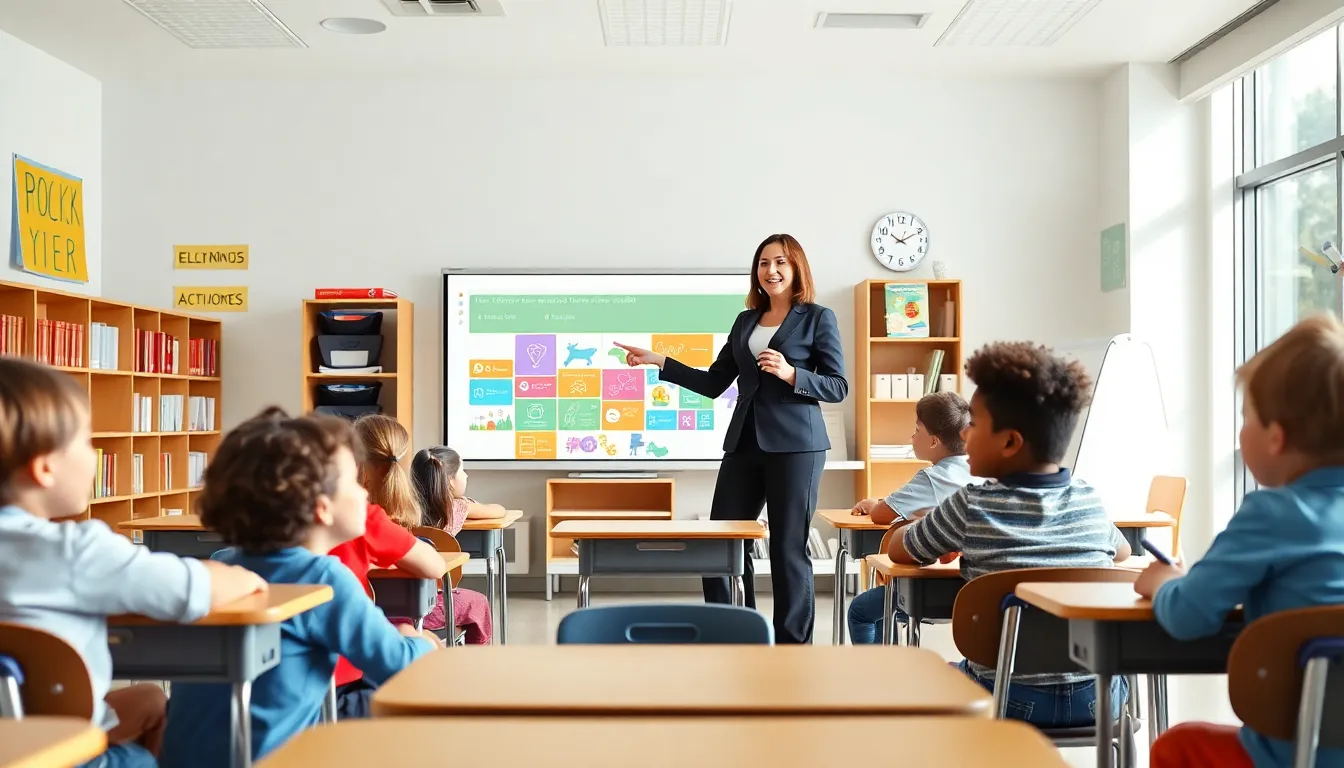
Finding the best elementary school for your child is one of the most important decisions parents face. The right school shapes academic success, social development, and a lifelong love of learning. With so many options available, public, private, charter, and magnet schools, the process can feel overwhelming. This guide breaks down the key factors that matter most, from curriculum quality to school culture. By the end, you’ll know exactly what questions to ask and how to evaluate your choices with confidence.
Table of Contents
ToggleKey Takeaways
- The best elementary school matches your child’s unique learning style, whether that’s Montessori, traditional, or another teaching philosophy.
- Evaluate academic quality by reviewing curriculum standards, teacher qualifications, and class sizes under 20 students for more individual attention.
- School visits are essential—observe teacher-student interactions, ask about support services, and notice whether children seem engaged and curious.
- Both public and private schools can be excellent choices; consider your budget, your child’s needs, and visit multiple options before deciding.
- Look beyond raw test scores and focus on student growth metrics, which reveal how much children actually learn during the school year.
- The best elementary school develops the whole child, including creativity, social skills, and emotional well-being—not just academic performance.
Key Factors to Consider When Choosing an Elementary School
Selecting the best elementary school requires parents to weigh several important factors. Every family has different priorities, but certain elements consistently predict student success. Here’s what to examine first.
Academic Quality and Curriculum
Academic quality sits at the heart of any best elementary school search. Start by reviewing the curriculum. Does the school follow state standards? Do they offer enrichment programs in STEM, arts, or languages? Strong schools often provide differentiated instruction to meet each student’s learning pace.
Look at teacher qualifications too. Schools with experienced, certified educators tend to produce better outcomes. Ask about class sizes, smaller classes (under 20 students) typically allow more individual attention.
Some parents prioritize specific teaching philosophies. Montessori schools emphasize self-directed learning. Traditional schools focus on structured lessons and direct instruction. Neither approach is inherently better. The best elementary school matches your child’s learning style.
School Environment and Culture
A school’s environment affects how children feel about learning. Visit the campus. Are hallways bright and welcoming? Do classrooms display student work? These details reveal how much a school values its students.
School culture matters equally. The best elementary school creates a safe, inclusive atmosphere where every child belongs. Ask about anti-bullying policies and how staff handle conflicts. Talk to current parents about their experiences.
Extracurricular activities also shape school culture. Sports teams, music programs, and clubs help children discover new interests. Schools with strong community involvement often host family events, creating connections between parents and educators.
Questions to Ask During School Visits
School visits provide the clearest picture of daily life. Prepare questions in advance to make the most of your time.
Start with basics:
- What is the student-to-teacher ratio?
- How does the school communicate with parents?
- What curriculum materials do teachers use?
Dig deeper into academics:
- How do teachers address students who struggle or need extra challenge?
- What support services exist for students with learning differences?
- How much assignments do students receive at each grade level?
Ask about safety and well-being:
- What security measures are in place?
- How does the school handle discipline?
- What mental health resources are available?
Finally, observe the atmosphere. Watch how teachers interact with students. Notice whether children seem engaged or distracted. The best elementary school feels alive with curiosity and mutual respect.
Don’t hesitate to request a second visit. Spending time during different parts of the day reveals how the school operates beyond rehearsed tours.
Public vs. Private Elementary Schools
The public vs. private debate sparks strong opinions among parents. Both options can qualify as the best elementary school depending on your situation.
Public Schools
Public elementary schools are free and open to all students in a district. They must follow state curriculum standards and employ certified teachers. Many public schools offer excellent education, especially in well-funded districts. Magnet and charter schools provide specialized programs within the public system.
The main advantage? Cost. Public education costs nothing beyond taxes. Public schools also reflect diverse student populations, exposing children to different backgrounds and perspectives.
Private Schools
Private elementary schools charge tuition, often ranging from $5,000 to $30,000 annually. In exchange, they typically offer smaller class sizes, specialized curricula, and selective admissions. Religious schools incorporate faith-based instruction alongside academics.
Private schools operate independently, allowing more flexibility in teaching methods. But, they don’t require teachers to hold state certification, and they aren’t bound by the same accountability standards.
Making the Choice
Neither type automatically wins the best elementary school title. Consider your budget, your child’s needs, and available options in your area. Visit both public and private schools before deciding. Sometimes the best fit surprises parents who assumed one category would clearly win.
How to Evaluate Test Scores and School Ratings
Test scores and ratings offer useful data points, but they don’t tell the whole story. Smart parents know how to interpret these numbers.
State assessment results show how students perform in reading and math. The best elementary school typically scores above state and district averages. But context matters. Schools serving wealthier populations often score higher due to advantages outside the classroom, not necessarily better teaching.
Look at growth metrics instead of raw scores. Growth data shows how much students improve during the year. A school where students gain 1.5 years of learning annually outperforms one where already-advanced students stay flat.
Websites like GreatSchools.org and Niche compile ratings from multiple sources. These platforms include parent reviews alongside test data. Read reviews carefully. One unhappy parent doesn’t indicate systemic problems, but patterns of complaints deserve attention.
Consider what tests don’t measure. Creativity, social skills, and emotional development matter too. The best elementary school develops the whole child, not just test-taking ability.
Finally, compare apples to apples. A neighborhood school serving diverse learners shouldn’t be judged against a selective magnet program. Fair comparisons require similar demographics and resources.


