
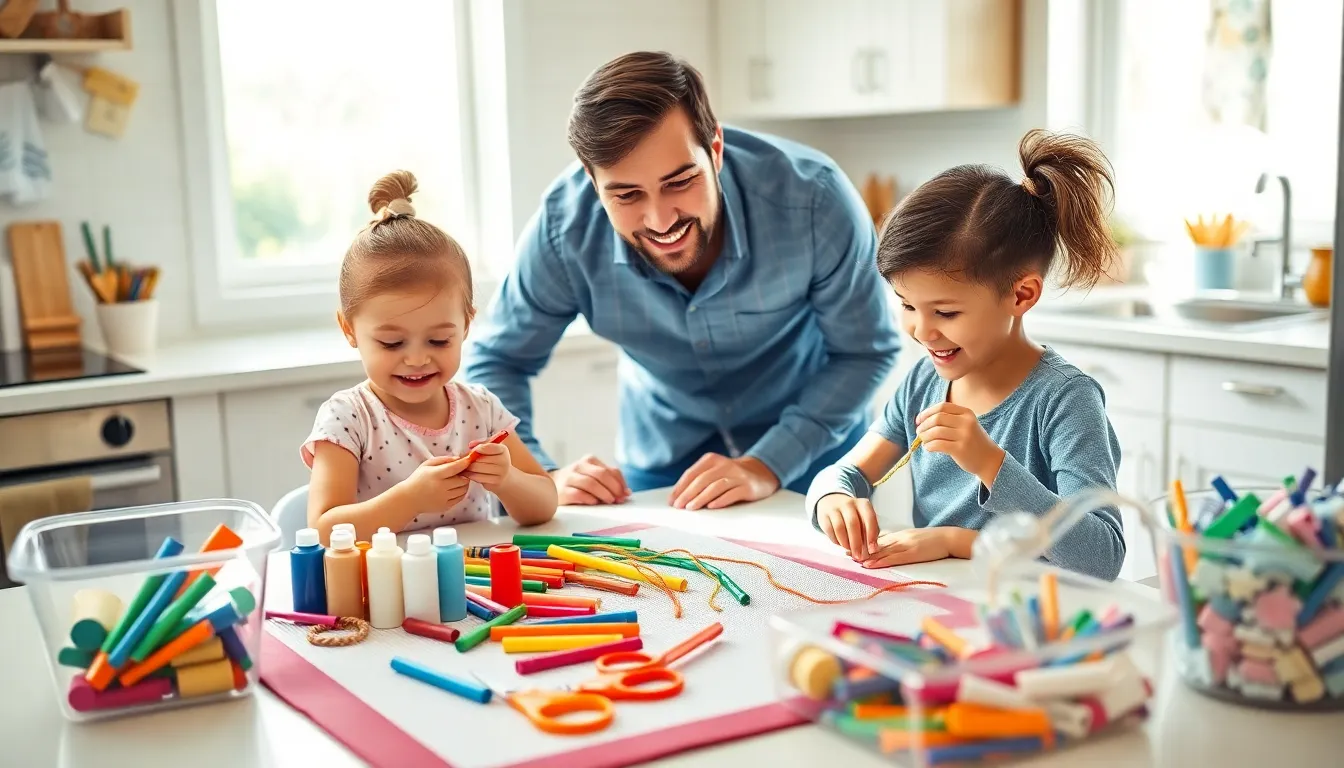
A crafts & DIY for kids guide helps parents and caregivers plan creative activities that children actually enjoy. Kids thrive when they get to build, paint, and create with their hands. These projects teach fine motor skills, boost confidence, and give families quality time together.
This guide covers everything from basic supplies to age-specific project ideas. Whether a child is two or twelve, there’s something here to spark their creativity. Parents will also find practical tips to keep the mess under control, because let’s be honest, that’s half the battle.
Table of Contents
ToggleKey Takeaways
- A well-stocked craft supply bin with basics like safety scissors, non-toxic glue, and washable paints makes spontaneous DIY for kids easy and stress-free.
- Recyclables like cardboard tubes, egg cartons, and bottle caps provide free, eco-friendly materials for creative kids’ craft projects.
- Toddlers and preschoolers thrive with simple, quick crafts like paper plate animals and sticker collages that match their short attention spans.
- School-age kids enjoy challenging DIY projects such as homemade slime, friendship bracelets, and cardboard construction that produce impressive results.
- Smart preparation—including a dedicated craft space, pre-cut materials, and paint clothes—keeps crafting fun and mess-free for the whole family.
- Embrace imperfection in kids’ crafts because the creative process matters more than a Pinterest-perfect outcome.
Essential Supplies for Kids’ Craft Projects
Every good crafts & DIY for kids guide starts with the right materials. Stocking a craft supply bin saves time and frustration when inspiration strikes.
Basic Materials to Keep on Hand
These items form the foundation of most kids’ craft projects:
- Construction paper in multiple colors
- Safety scissors with rounded tips
- Non-toxic glue sticks and white school glue
- Crayons, markers, and colored pencils
- Washable paint and brushes
- Pipe cleaners and pom-poms
- Googly eyes (kids love these)
- Tape, masking, washi, and clear
Recyclables Worth Saving
Some of the best craft supplies come straight from the recycling bin. Cardboard tubes from paper towels make excellent rocket ships. Egg cartons transform into caterpillars or paint palettes. Plastic bottle caps work well for stamps or game pieces.
Parents should keep a box for clean recyclables. When craft time arrives, kids can dig through and find their own materials. This teaches resourcefulness and keeps costs low.
Age-Appropriate Tools
Toddlers need chunky crayons and large brushes they can grip easily. Preschoolers graduate to regular crayons and blunt-tip scissors. School-age children can handle pointed scissors, hot glue guns (with supervision), and more detailed tools like hole punches and staplers.
Investing in quality washable supplies matters. Cheap markers dry out fast, and thin paper tears easily. Spending a bit more upfront prevents mid-project meltdowns.
Easy Craft Ideas for Toddlers and Preschoolers
Young children need simple projects with quick results. A crafts & DIY for kids guide must account for short attention spans and developing motor skills.
Paper Plate Animals
Paper plates serve as the perfect canvas for little ones. Kids can paint a plate yellow and add black stripes for a bee. Or they paint it gray and glue on big ears for an elephant. The round shape provides structure, so even messy painters end up with recognizable results.
Finger Painting Fun
Finger painting remains a classic for good reason. It requires no tools beyond paint and paper. Toddlers explore colors and textures through direct touch. Parents can tape paper to a table or tray to prevent sliding.
For less mess, place paint inside a sealed plastic bag. Kids can squish and mix colors without getting paint everywhere. This version works great for sensory-sensitive children too.
Cotton Ball Crafts
Cotton balls transform into clouds, sheep wool, or bunny tails. Kids practice the pincer grip when picking up and placing cotton balls. They can dip them in paint for a different texture effect.
Sticker Collages
Peeling and placing stickers strengthens hand muscles. Parents can draw simple shapes, a tree, house, or person, and let kids decorate with stickers. This activity keeps toddlers busy during restaurant waits or long car rides.
The key with this age group? Keep sessions short. Ten to fifteen minutes of focused crafting beats an hour of frustrated tears.
Creative DIY Projects for School-Age Kids
Older kids want projects that challenge them and produce impressive results. A solid crafts & DIY for kids guide offers activities that grow with children’s abilities.
Homemade Slime
Slime remains wildly popular, and making it teaches basic chemistry. The standard recipe combines white school glue, liquid starch, and food coloring. Kids can add glitter, foam beads, or scents for custom creations.
Parents should supervise slime-making since ingredients can irritate skin if used incorrectly. The mixing process itself takes about fifteen minutes, but kids will play with the result for hours.
Friendship Bracelets
Braiding friendship bracelets teaches pattern recognition and patience. Beginners start with simple three-strand braids. More advanced crafters tackle chevron or fishtail patterns. Embroidery floss comes in hundreds of colors, so kids can customize their designs.
Cardboard Construction
Large cardboard boxes become forts, cars, or spaceships. Smaller boxes transform into doll furniture or robot costumes. Kids learn to measure, cut, and assemble, skills that transfer to other areas.
One parent’s tip: collect boxes before holidays or birthdays when deliveries pile up. Store them flat until project day arrives.
Nature Crafts
Outdoor exploration pairs well with crafting. Kids can collect leaves for rubbings, press flowers for bookmarks, or paint rocks for garden decorations. These projects encourage time outside and cost almost nothing.
Simple Sewing
Children around age seven can learn basic hand stitching. Felt works best because it doesn’t fray. Kids might sew a simple pouch, bookmark, or stuffed shape. Plastic needles with large eyes make threading easier and safer.
School-age crafters appreciate projects they can actually use or display. A handmade gift for a grandparent means more than another refrigerator drawing.
Tips for a Successful and Mess-Free Crafting Experience
Even the best crafts & DIY for kids guide won’t help if every project ends in disaster. Smart preparation makes the difference between fun and frustration.
Set Up a Dedicated Space
Designate one area for crafting. A kitchen table works fine with proper protection. Plastic tablecloths, old shower curtains, or newspaper shield surfaces from paint and glue. Some families use a specific “craft mat” that signals it’s time to create.
Dress for Mess
Old t-shirts make perfect smocks. Some parents keep a bin of “paint clothes” that kids change into before messy projects. Aprons work too, though active kids often twist out of them.
Prep Materials in Advance
Gather everything before calling the kids over. Pre-cut shapes for younger children. Pour paint into small containers rather than letting kids access full bottles. This preparation prevents spills and keeps the focus on creating.
Embrace Imperfection
Kids’ crafts won’t look Pinterest-perfect. And they shouldn’t. The goal is process, not product. When adults take over to “fix” a project, children lose ownership and interest.
Let the crooked googly eyes stay crooked. Let the paint colors mix into brown. These “imperfections” are signs of genuine kid creativity.
Clean Up Together
Making cleanup part of the routine teaches responsibility. Assign age-appropriate tasks: toddlers can throw away scraps, preschoolers can cap markers, and older kids can wash brushes. Whoever crafts together, cleans together.
Store Supplies Wisely
Clear bins let kids see what’s available. Labels help everyone find and return items. Keep frequently used supplies within reach and special materials (glitter, we’re looking at you) up high where adult permission is required.


