
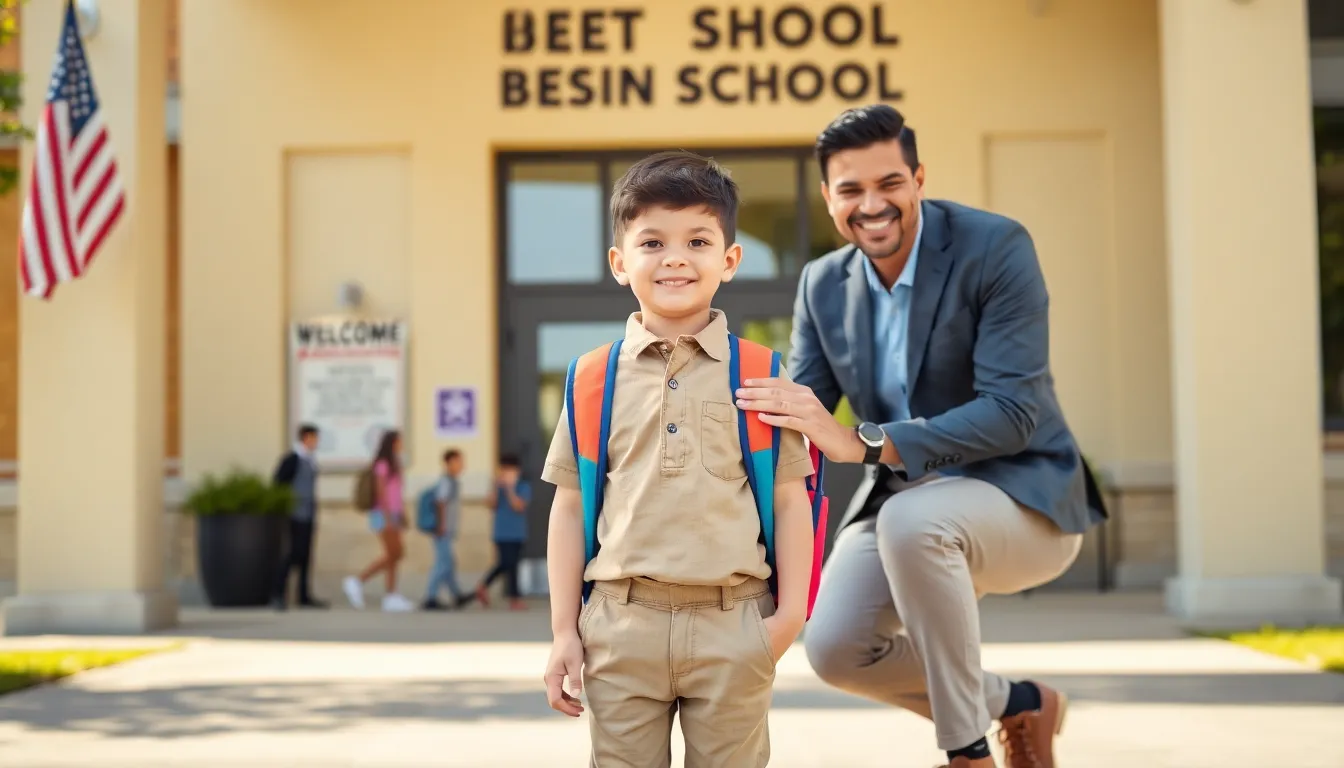
Elementary school for beginners marks a major milestone in every child’s life. Parents often feel a mix of excitement and uncertainty as this transition approaches. This guide covers everything families need to know about starting elementary school, from understanding grade structures to preparing children for their first day. Whether a child is entering kindergarten or first grade, the right preparation makes all the difference. Here’s what parents should expect and how they can set their children up for success.
Table of Contents
ToggleKey Takeaways
- Elementary school for beginners typically starts at age five with kindergarten and runs through fifth or sixth grade, depending on the school district.
- Preparing your child with basic skills like letter recognition, counting, and writing their name builds confidence before the first day.
- Social and emotional readiness—including sharing, following directions, and handling short separations—is just as important as academic preparation.
- Reading aloud daily, establishing consistent routines, and visiting the school beforehand help ease the transition to elementary school.
- Parents should stay actively involved by communicating with teachers, supporting homework habits, and addressing any learning struggles early.
- Balance is essential—elementary school for beginners should challenge children while still leaving room for unstructured play and curiosity.
What Is Elementary School and When Does It Start
Elementary school is the first stage of formal education in the United States. It typically includes kindergarten through fifth or sixth grade, depending on the school district. Most children begin kindergarten at age five and complete elementary school around age ten or eleven.
The starting age for elementary school for beginners varies by state. Some states require children to be five years old by September 1st, while others set cutoff dates in October or December. Parents should check their local school district’s requirements to confirm enrollment deadlines.
Kindergarten serves as an introduction to structured learning. Children learn basic routines like following schedules, raising their hands, and working in groups. First grade builds on these skills and introduces more formal instruction in reading and math.
Public elementary schools are free and funded by local taxes. Private elementary schools charge tuition but may offer different curricula or smaller class sizes. Charter schools provide another option, they’re publicly funded but operate independently. Each type has its own enrollment process, so parents should research options early.
Preparing Your Child for Their First Year
Preparation helps children feel confident on their first day. Parents can start months before school begins by practicing essential skills at home.
Academic Readiness
Children don’t need to read before starting elementary school, but some exposure helps. Parents can read aloud daily to build vocabulary and listening skills. Practicing letter recognition, counting to twenty, and writing one’s name gives children a head start.
Colors, shapes, and basic patterns are also useful. Simple puzzles and matching games build these skills through play.
Social and Emotional Skills
Elementary school for beginners requires sharing, taking turns, and following directions. Playdates and group activities help children practice these interactions. Parents should also teach children how to ask for help when they need it.
Separation anxiety is common. Practicing short separations, like staying with a grandparent or attending a class, eases this transition. Talking positively about school helps children feel excited rather than nervous.
Practical Preparations
Visit the school before the first day if possible. Walking through the building and meeting the teacher reduces anxiety. Parents should also establish morning and bedtime routines several weeks early. Consistent sleep schedules help children stay alert and focused.
Labeling supplies, backpacks, and lunchboxes prevents lost items. Practice opening lunch containers and using zippers independently, these small skills matter when children are on their own.
What Your Child Will Learn in Elementary School
Elementary school covers core subjects that build foundations for future learning. The curriculum expands each year as children develop new abilities.
Reading and Language Arts
Reading instruction dominates the early years. Kindergartners learn phonics, the relationship between letters and sounds. By third grade, most children transition from learning to read to reading to learn. Writing skills progress from forming letters to composing paragraphs and short essays.
Elementary school for beginners emphasizes vocabulary development through read-alouds, discussions, and independent reading time.
Mathematics
Math instruction starts with counting and number recognition. First graders learn addition and subtraction. Multiplication and division typically begin in third grade. By fifth grade, students work with fractions, decimals, and basic geometry.
Problem-solving and logical thinking are central to elementary math. Children learn to explain their reasoning, not just find correct answers.
Science and Social Studies
Science introduces basic concepts about plants, animals, weather, and the human body. Hands-on experiments make learning engaging. Social studies covers community helpers, maps, U.S. history, and geography.
These subjects often integrate with reading and writing. Children might read books about historical figures or write reports about animals they’ve studied.
Specials and Extras
Most elementary schools offer art, music, and physical education. Some include computer classes, library time, or foreign language instruction. These subjects develop creativity, coordination, and broader interests.
Tips for Supporting Your Child’s Success
Parents play a critical role in their child’s elementary school experience. Active involvement at home reinforces what children learn in the classroom.
Create a assignments routine. Set a consistent time and quiet space for assignments. Even if assignments are short, the habit matters. Stay nearby to answer questions without doing the work for them.
Communicate with teachers. Attend parent-teacher conferences and respond to notes or emails. Teachers appreciate parents who stay informed and engaged. Don’t wait for problems, check in regularly.
Read together daily. Reading aloud continues to benefit children well into elementary school. Let children choose books they enjoy. Ask questions about the story to build comprehension.
Encourage curiosity. When children ask questions, explore answers together. Look things up, visit libraries, and try simple experiments at home. Curiosity drives lifelong learning.
Balance academics and play. Elementary school for beginners should be challenging but not overwhelming. Children need unstructured playtime to develop creativity and social skills. Avoid overscheduling with too many activities.
Address struggles early. If a child consistently struggles with reading, math, or behavior, speak with the teacher. Early intervention prevents small issues from becoming bigger problems. Schools often provide additional support services at no cost.


